Diseases & Conditions

With in-depth information about common medical concerns and their significance to divers, Diseases & Conditions entries cover anatomy, epidemiology, symptoms, prevention, first aid and more. Implications for diving are included for the diver, dive operator and physician.

If you could not find an answer to your question or want to learn more, call us on the DAN Medical Information Line at +1 (919) 684-2948.

View and search all of DAN’s Diseases & Conditions posts here.

Metformin

Although metformin is generally well tolerated, divers using it must consider its effects under hyperbaric and immersion conditions.

Read more

Mitral Valve Prolapse

Mitral valve prolapse (MVP) occurs when the mitral valve doesn’t close properly. Individuals with MVP should consult healthcare professionals and assess risks before diving, as increased pressure can place additional strain on the heart.

Read more

Coronary Artery Bypass Grafts

Coronary artery bypass grafting (CABG) is a procedure performed to enhance blood flow to the heart muscle. After this procedure, medical considerations may affect a diver’s ability to safely resume diving activities.

Read more

Abdominal Surgery

While recovery from abdominal surgery is essential for overall health, divers must take specific precautions before returning to diving activities.

Read more

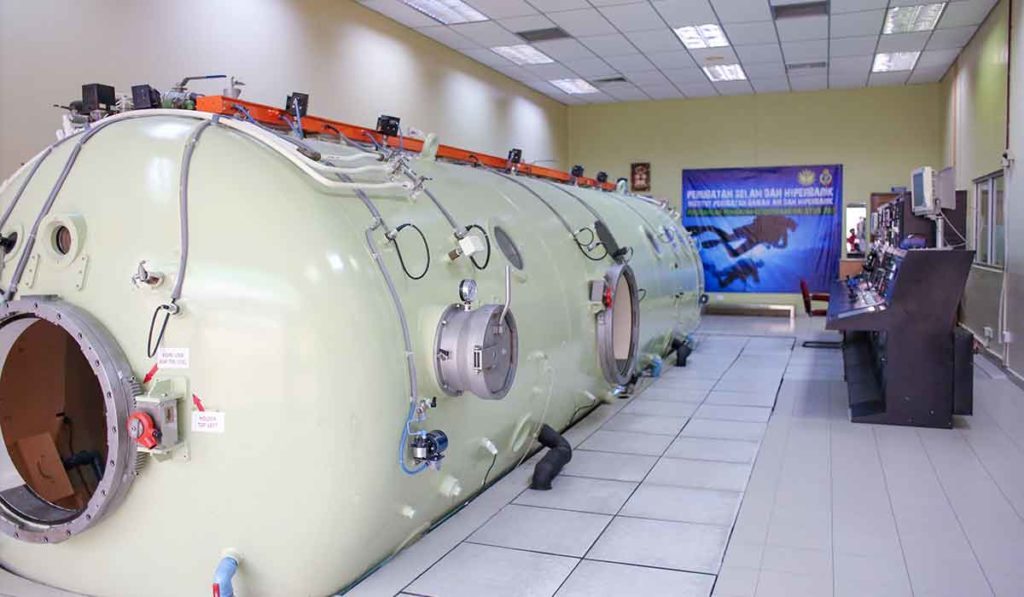
Why Does DAN Not Share Chamber Availability

While believed to be the solution for any dive injury, hyperbaric chambers are not readily available for public use, and DAN does not disclose their locations. Learn why.

Read more

In-Water Recompression

In-water recompression is a controversial technique used to help treat symptoms of decompression sickness. Learn more about in-water recompression and why DAN is against its practice.

Read more

The Human Ear — Anatomy and Function

Healthy ears are essential in diving. Learn the basic anatomy and function implications in diving.

Read more

Immersion Diuresis

The urge to urinate is common in diving, even among divers who don’t usually need to urinate frequently. The explanation is rooted in dive physiology. The phenomenon is known as […]

Read more

Asthma and Diving

More than 25 million Americans — including some divers — have asthma. If the disease is well managed and the individual has good lung function and exercise tolerance, a doctor trained in dive medicine may approve of diving.

Read more

Diabetes and Diving

A DAN study on diabetes and diving monitored plasma glucose levels in divers with and without diabetes. The findings of this study offer insights into the effects of diving on blood glucose and considerations for divers with diabetes.

Read more

Decompression Illness

Decompression illness (DCI) encompasses two conditions: decompression sickness (DCS) and arterial gas embolism (AGE). Symptoms of DCI include numbness and tingling, pain in the joints or muscles, fatigue, dizziness, shortness of breath and more.

Read more

Flying After Diving

Flying after diving can increase the risk of decompression sickness (DCS) because of the relative decrease in ambient pressure with altitude. Here’s how to lower your likelihood of DCS and ensure your safety during your next flight.

Read more